
vLLM: image EXIF Rotation & PNG tRNS Transparency Not Normalized, Causing Mismatch Between Model Input and Expectations
Summary
Issue 1: EXIF orientation not normalized → The image orientation processed by the model differs from how humans view it, introducing interpretation bias.
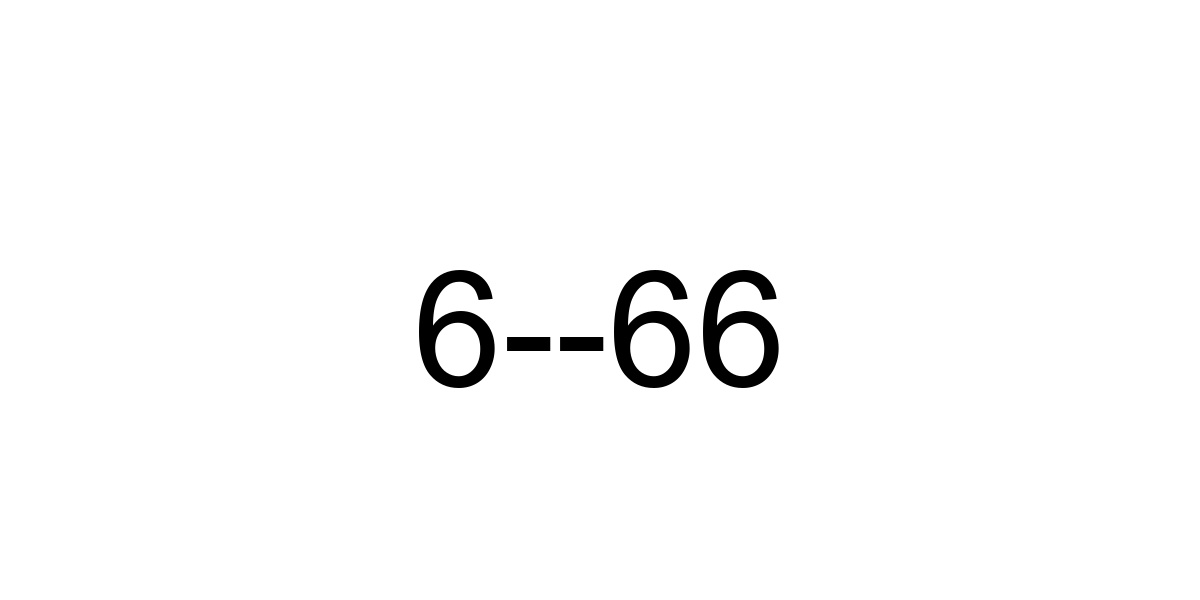
Issue 2: PNG tRNS not explicitly flattened before converting to RGB → After conversion, transparent/semi-transparent pixels are rendered unexpectedly, making otherwise subtle overlay elements visible and distorting the input content. (This attack is similar to AlphaDog: RGBA handling is already correct in vLLM, but since tRNS permits RGB images, the correct processing path isn’t taken.)
Issue 3 : Pillow only loads the first frame when loading APNG or GIF files.
Root Cause
- Rotation: After opening an image,
ImageOps.exif_transposeis not called to normalize EXIF orientation. - Transparency: Only RGBA→RGB is flattened with a background; PNGs carrying
tRNSinP/L/RGB + tRNSand other non-RGBA modes take theimage.convert("RGB")path, which implicitly discards/remaps transparency semantics.
Affected Code
Current state:
ImageOps.exif_transposeis not used. (Although therescale_image_sizefunction (https://github.com/vllm-project/vllm/blob/main/vllm/multimodal/image.py#L14) exists and includes atransposeparameter, I’ve found that it doesn’t seem to be called anywhere outside thetestdirectory.)
Call order:
_convert_image_moderuns first; if the conditions are met,convert_image_modeis called.Issue: Only the “RGBA → RGB” path is explicitly flattened.
P,L, orRGBwithtRNSall fall back toimage.convert("RGB"). For PNGs that includetRNS,convert("RGB")directly produces 24-bit RGB, leading to:
Pmode: The transparent index becomes an actual RGB color (often black, white, or an undefined background), so transparency is lost.L/LAandRGB + tRNS:convert("RGB")doesn’t composite against a chosen background first, so elements that relied on transparency to be hidden or softened become solid.
Impact & Scope
- Impact: Pixels the model sees can diverge from operator expectations (due to orientation or transparency handling), potentially altering downstream reasoning.
- Scope: The image I/O and mode-conversion paths in
vllm/multimodal/image.py. The existing RGBA→RGB flattening is correct; the issues center on missing EXIF normalization and non-RGBAtRNSnot being explicitly composited.
Case
EXIF: http://qiniu.funxingzuo.top/exif_orient_180.jpg tRNS: http://qiniu.funxingzuo.top/hello.png

Fix
A fix for this vulnerability was merged here: https://github.com/vllm-project/vllm/pull/44974
Betroffene Software
Klicken Sie auf eine Technologie, um alle zugehörigen Schwachstellen anzuzeigen.
| Plattform | Paket | Anfällige Versionen | Behoben in |
|---|---|---|---|
| Python (PyPI) | vllm | >= 0.11.0, < 0.24.0 | 0.24.0 |
Verweise
- https://github.com/vllm-project/vllm/security/advisories/GHSA-8jr5-v98p-w75m
- https://nvd.nist.gov/vuln/detail/CVE-2026-12491
- https://github.com/vllm-project/vllm/pull/44974
- https://github.com/vllm-project/vllm/commit/cf1c90672404548aa3bc51f92c4745576a65ee26
- https://access.redhat.com/security/cve/CVE-2026-12491
- https://bugzilla.redhat.com/show_bug.cgi?id=2489786
- https://github.com/vllm-project/vllm
- https://pypi.org/project/vllm
- https://github.com/advisories/GHSA-8jr5-v98p-w75m
- https://github.com/pypa/advisory-database/tree/main/vulns/vllm/PYSEC-2026-3406.yaml
- CVSS-Vektor
CVSS:3.1/AV:N/AC:H/PR:N/UI:N/S:U/C:N/I:L/A:L- Schwäche (CWE)
CWE-436- Plattform
- Python (PyPI)
- Paket
vllm- Veröffentlicht
- 17.06.2026
- Aktualisiert
- 11.10.2026 15:17
Quellen und Lizenzen
OSV / GitHub Advisory Database - PYSEC-2026-3406 - PyPA Advisory Database; CC BY 4.0
OSV / GitHub Advisory Database - GHSA-8jr5-v98p-w75m - CC BY 4.0
Schwachstellenhistorie: vllm
Alle veröffentlichten Schwachstellen dieses Pakets (Python (PyPI)), neueste zuerst. Zeigt, ob es ein einmaliger Ausrutscher ist oder ein Paket, das man im Auge behalten muss.
- Einträge insgesamt
- 94
- Erste → letzte
- 09.2024 10.2026
- Ohne Fix
- 5
- In Angriffen ausgenutzt
- 0
Verteilung nach Schweregrad
- Kritisch 9
- Hoch 23
- Mittel 47
- Niedrig 4
- Nicht bewertet 11
Veröffentlichungen pro Jahr
- 2024: 2
- 2025: 30
- 2026: 62
-
vLLM: image EXIF Rotation & PNG tRNS Transparency Not Normalized, Causing Mismatch Between Model Input and Expectations dieser Eintrag
Erkennen Sie Schwachstellen in Ihrer Anwendung
Mit der DockRay-Integration und aktivierter Softwareinventarisierung prüft DockRay gemeldete Komponentenversionen auf bekannte Schwachstellen und benachrichtigt Sie über bestätigte Treffer. Die Abdeckung hängt von der unterstützten Technologie und den verfügbaren Meldungen ab.